Call : 661.524.6732 | info@ifineedhelp.org

Autism Awareness

Autism awareness goes beyond recognizing a condition—it’s about embracing neurodiversity, empowering voices, and creating environments where individuals with autism can thrive. At If I Need Help, we are proud to support education, advocacy, and safety solutions that make awareness actionable every day—not just in April.

Table of Contents

1. What is Autism Awareness? Defining Neurodiversity
2. Autism Awareness: Key Facts and 2026 Statistics
3. The Importance of Providing Support and Advocacy
4. Daily Challenges and Solutions: Actionable Awareness for Parents
5. Building a Foundation of Safety Through Awareness

1. What is Autism Awareness? Defining Neurodiversity

Autism Awareness means promoting public understanding of Autism Spectrum Disorder (ASD), a neurodevelopmental condition that affects the way people communicate, behave, and process sensory information. Awareness means understanding and educating from a place of compassion, policy advocacy, and self-empowerment. In the past couple of years, there has been a shift from “Awareness” to “Acceptance” to acknowledge that neurodivergent people have different but equally valuable and important contributions to society.

Key phrases: benefit of understanding autism, autism awareness for parents.

2. Autism Awareness: Key Facts and 2026 Statistics

Successful advocacy starts with understanding the research. Up to the year 2026, the understanding and prevalence of autism remains a growing concern of primary importance within the field of public health.

Rates of Prevalence: Recent and current data provided by the Centers for Disease Control and Prevention (CDC) states that autism spectrum disorder (ASD) is diagnosed in approximately 1 in 36 children.

Trends in Diagnosis: Diagnosis for these children is often delayed which is a strong call for advocacy for more comprehensive and earlier screening and diagnostic programs.

The Hidden Diagnosis: Public perception and awareness is needed to understand that just because a person appears to look "normal" on the outside, does not mean that they are not suffering. Many autistic individuals describe feeling severe mental and physical exhaustion and even burnout from the effort of masking their symptoms.

3. The Importance of Providing Support and Advocacy

One important way to provide support is by advocating for the rights of those with ASD. This includes making sure that individuals receive appropriate medical care, educational services, job opportunities, and access to social venues.
By speaking out on behalf of those with autism, we can help create a world that is more understanding and accepting of all people regardless of their diagnosis. This includes:

Inclusive Policy: Advocating for "Quiet Hours" in stores and sensory-friendly seating in theaters.

Workplace Support: Encouraging companies to leverage the detail-oriented strengths of neurodivergent employees.

4. Daily Challenges and Solutions: Actionable Awareness for Parents

For parents, awareness is a 24/7 reality. Every day brings unique challenges, from navigating social cues to managing sensory processing needs.

The Social Gap: Helping others understand that a "meltdown" is a sensory response, not a lack of discipline.

The Routine Pillar: Understanding that predictability is a safety mechanism for many autistic individuals.

Solution-Oriented Thinking: Focusing on a child’s strengths rather than their deficits is the key to building a "strong foundation."

5. Building a Foundation of Safety Through Awareness

Pursuing a single solution is ineffective when addressing multiple unique needs. We at If I Need Help are committed to offering unique solutions to ensure our clients’ safety, as we believe that safety is our strongest form of advocacy.

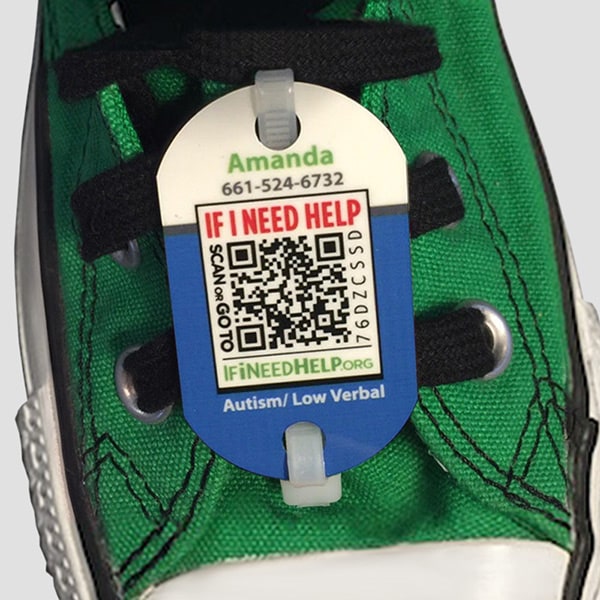
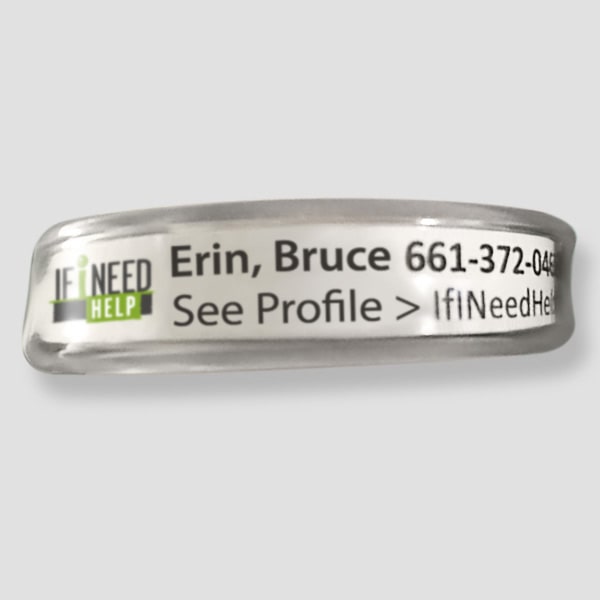
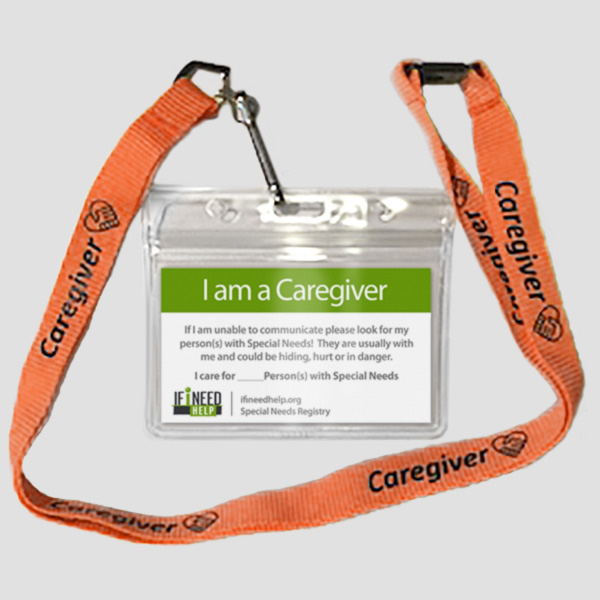
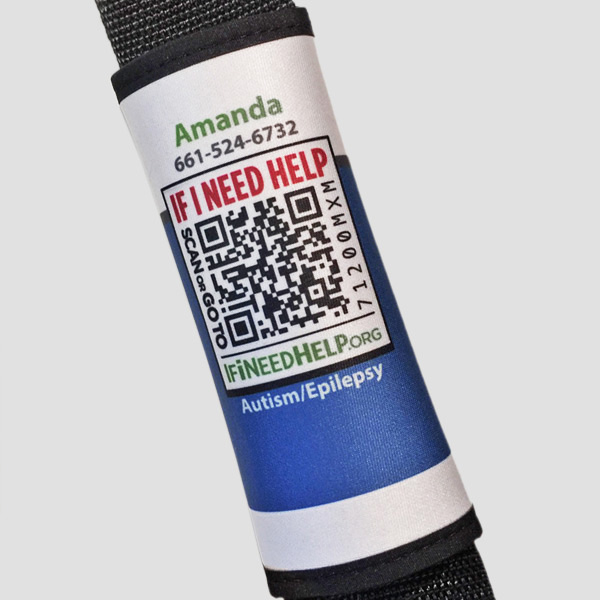
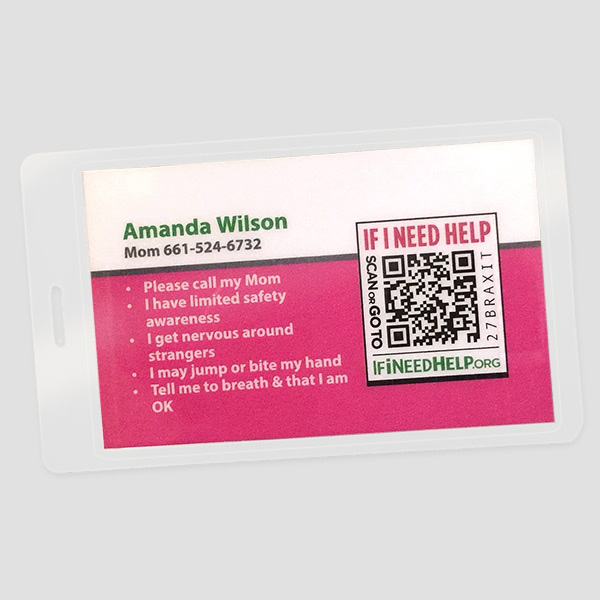
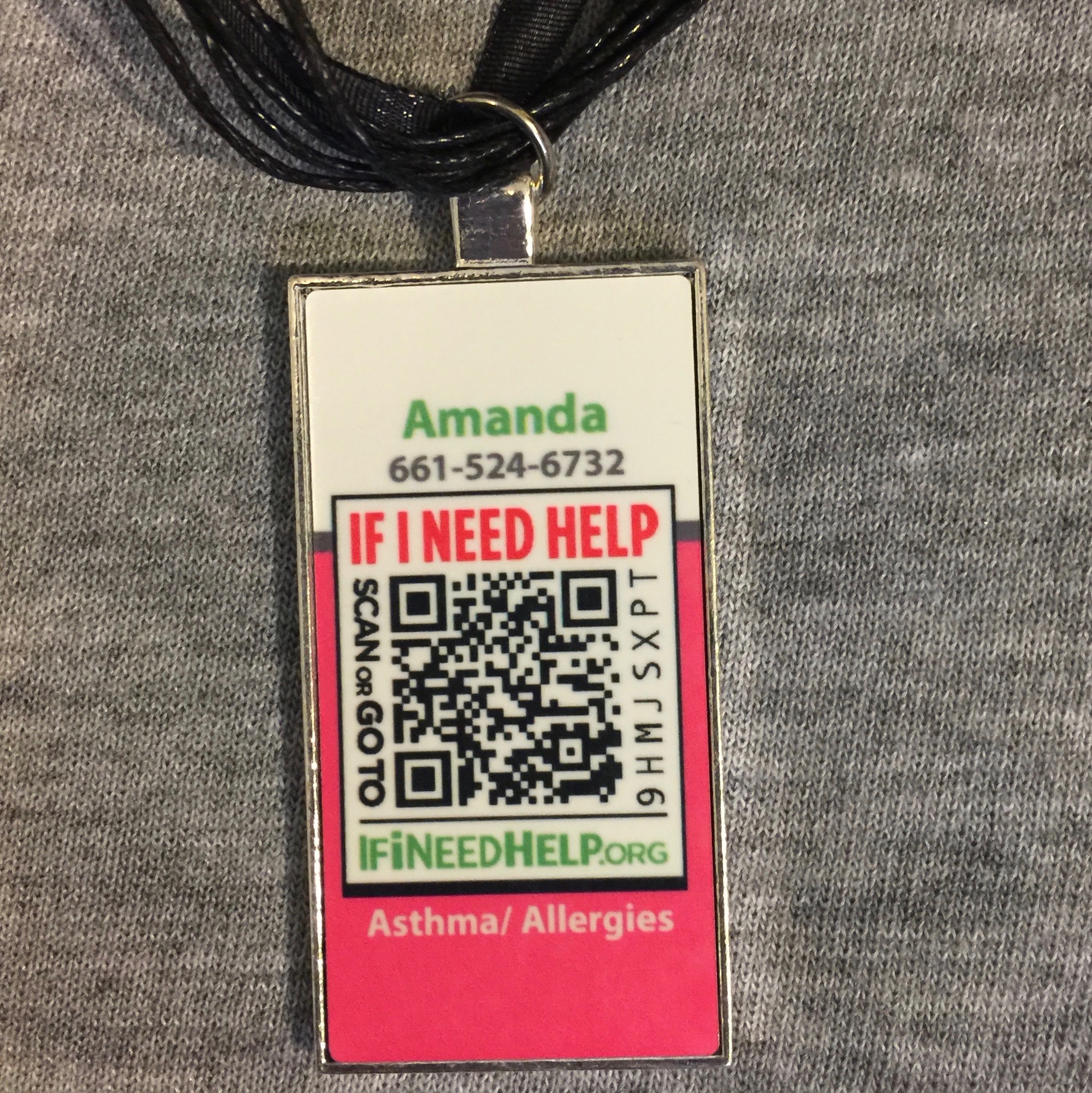
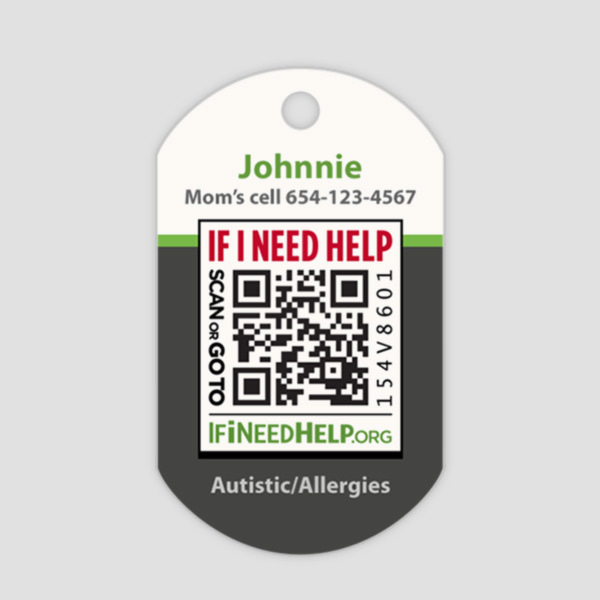
An "Autism Aware" community understands that a safety tag or a QR code shirt on a child is not just a label; it is a means of communication. In moments of crisis or heightened stress, our ID wearables ensure that people, be it teachers, community members, or emergency responders, provide the affected person with the information and support they need, and are able to speak on the affected person’s behalf.

FAQs

It is the process of improving understanding, acceptance, and support of people with autism spectrum disorder, along with their families. This is to foster an all-embracing society which acknowledges and appreciates differences.

It helps to reduce stigma and promotes acceptance. Also, it ensures people diagnosed with ASD are able to access the necessary resources, opportunities, and support services to enable them to fully function.

By reading self-help and educational materials, following reputable autism organizations, and attending workshops and awareness events. Also, engaging with families and individuals who have lived experience can deepen understanding.

This may include advocating for their basic rights, enabling access to necessary health services, education, employment opportunities, and fostering socially inclusive environments.

No. Each person on the spectrum has their own unique set of strengths, needs, challenges, and thus strategies for support should be focused on the individual.

Advocacy helps to guarantee people living with ASD have equitable access to educational, healthcare, employment and social services, and community engagement. Advocacy also helps to drive favorable changes to policies and social attitudes.

Absolutely. With proper resources, understanding, and the right support structure, people on the autism spectrum are able to live meaningful lives, achieving their goals and contributing to their communities.

Join Our Mailing List

Learn about new features, products, and success stories. We will never share or sell your email. Click here to Join >>