Call : 661.524.6732 | info@ifineedhelp.org

Understanding Non-Verbal Autism: Key Insights and Tips

Unlock the world of non-verbal autism with our essential insights and practical tips. Understand communication beyond words and foster deeper connections.

What is Non-Verbal Autism?

Non-verbal autism is a subset of autism spectrum disorder (ASD) characterized by a lack of speech or significantly limited verbal communication. While individuals with non-verbal autism may not use spoken language, this does not mean they are incapable of communicating. Non-verbal autism can manifest in various ways, and individuals may rely on alternative forms of communication, such as gestures, facial expressions, or augmentative and alternative communication (AAC) devices. Understanding the unique challenges and strengths of non-verbal autistic individuals is crucial in fostering effective communication and supporting their needs.

Non-verbal autism is often identified in early childhood when typical language development milestones are not met. Parents and caregivers may notice that their child does not babble, form words, or engage in typical verbal exchanges. However, non-verbal autism is not solely defined by the absence of speech. It also encompasses a range of social, behavioral, and sensory characteristics that vary widely among individuals. Recognizing these diverse traits is essential for providing appropriate support and interventions.

It's important to note that non-verbal autism does not imply a lack of intelligence or cognitive abilities. Many non-verbal autistic individuals possess remarkable skills and talents in areas such as art, music, mathematics, or problem-solving. By focusing on their strengths and providing alternative communication methods, we can help them thrive and reach their full potential.

Signs and Symptoms of Non-Verbal Autism

Identifying the signs and symptoms of non-verbal autism early on is crucial for timely intervention and support. One of the primary indicators is the absence or significant delay in speech development. Children with non-verbal autism may not engage in typical babbling, and their speech may not progress to forming words or sentences as expected for their age. Instead, they may rely on non-verbal means such as pointing, gesturing, or using facial expressions to communicate their needs and desires.

In addition to speech delays, non-verbal autistic individuals often exhibit distinct social and behavioral characteristics. They may have difficulty making eye contact, understanding social cues, or engaging in reciprocal social interactions. Repetitive behaviors, such as hand-flapping, rocking, or lining up objects, are also common. Sensory sensitivities, such as hypersensitivity to sounds, lights, or textures, can further impact their daily lives and interactions.

Another important aspect to consider is the variability in non-verbal autism. Not all non-verbal autistic individuals will exhibit the same behaviors or challenges. Some may have partial speech, using a few words or phrases, while others may rely entirely on alternative communication methods. Understanding this diversity is essential for tailoring interventions and support strategies to meet each individual's unique needs.

The Importance of Early Diagnosis

Early diagnosis of non-verbal autism is critical for providing timely and effective interventions. The earlier the diagnosis, the sooner families and caregivers can access the resources and support necessary to help their child develop communication skills and navigate the challenges associated with non-verbal autism. Early intervention programs can significantly improve outcomes, enabling children to reach their full potential and enhancing their quality of life.

Recognizing the early signs of non-verbal autism and seeking a professional evaluation is the first step toward early diagnosis. Pediatricians, psychologists, and speech-language pathologists play a vital role in assessing developmental milestones and identifying potential communication delays. Comprehensive evaluations may include standardized tests, observations, and interviews with parents and caregivers to gather a holistic understanding of the child's abilities and challenges.

Once a diagnosis is made, a multidisciplinary approach involving speech therapy, occupational therapy, and behavioral interventions can be implemented. Early intervention programs are designed to address specific needs, such as improving communication skills, social interactions, and adaptive behaviors. By starting these interventions early, children with non-verbal autism have a better chance of developing essential skills and achieving greater independence as they grow.

Communication Challenges Faced by Non-Verbal Individuals

Non-verbal autistic individuals face unique communication challenges that extend beyond the absence of speech. One of the primary difficulties is the inability to express their thoughts, feelings, and needs verbally. This can lead to frustration, anxiety, and behavioral issues as they struggle to make themselves understood. The lack of verbal communication also impacts their ability to engage in social interactions, form relationships, and participate in everyday activities.

In addition to speech difficulties, non-verbal autistic individuals may have challenges with understanding and interpreting spoken language. They might struggle with following verbal instructions, comprehending complex sentences, or grasping abstract concepts. This can affect their ability to learn, follow routines, and engage in academic tasks. Visual supports, such as pictures, symbols, or written instructions, can be helpful in enhancing their understanding and facilitating communication.

Non-verbal communication, such as gestures, facial expressions, and body language, plays a crucial role for non-verbal autistic individuals. However, they may face difficulties in using these non-verbal cues effectively. For instance, they might have trouble pointing to objects, making eye contact, or interpreting the facial expressions of others. Providing alternative communication methods, such as AAC devices or sign language, can bridge the communication gap and empower non-verbal autistic individuals to express themselves more effectively.

Effective Strategies for Supporting Non-Verbal Autistic Individuals

Supporting non-verbal autistic individuals requires a multifaceted approach that addresses their unique communication needs and fosters their overall development. One effective strategy is to create a structured and predictable environment. Consistent routines, visual schedules, and clear expectations can help reduce anxiety and provide a sense of security. Visual supports, such as picture cards or communication boards, can aid in conveying information and facilitating communication.

Another crucial aspect is the use of augmentative and alternative communication (AAC) methods. AAC includes a range of tools and techniques designed to support communication for individuals with limited or no verbal speech. This can include communication apps on tablets, speech-generating devices, or low-tech options like picture exchange systems. AAC empowers non-verbal autistic individuals to express their needs, make choices, and participate in social interactions, enhancing their overall quality of life.

Incorporating sensory-friendly strategies can also be beneficial. Many non-verbal autistic individuals have sensory sensitivities that can impact their daily experiences. Creating a sensory-friendly environment with appropriate lighting, noise levels, and sensory tools can help reduce sensory overload and improve their comfort and focus. Additionally, engaging in sensory activities, such as sensory bins or calming techniques, can promote self-regulation and emotional well-being.

Tools and Resources for Communication

There are numerous tools and resources available to support communication for non-verbal autistic individuals. Augmentative and alternative communication (AAC) devices are among the most effective tools. These can range from simple picture exchange communication systems (PECS) to high-tech speech-generating devices. AAC devices allow individuals to express themselves through symbols, images, or text, providing a voice for those who cannot speak.

Communication apps on tablets or smartphones are another valuable resource. Apps like Proloquo2Go, TouchChat, or LAMP Words for Life offer customizable communication options, enabling users to create personalized vocabularies and express a wide range of needs and emotions. These apps are user-friendly and can be tailored to suit the individual's preferences and abilities, making them a versatile tool for enhancing communication.

In addition to AAC devices and apps, low-tech communication aids can also be effective. Picture boards, communication books, and visual schedules are simple yet powerful tools that can aid in conveying messages and facilitating daily routines. These tools can be easily customized to include relevant images and symbols, providing a visual representation of language that supports understanding and communication.

The Role of Therapy in Non-Verbal Autism

Therapy plays a pivotal role in supporting non-verbal autistic individuals and helping them develop essential communication skills. Speech therapy, in particular, is a cornerstone of intervention for non-verbal autism. Speech-language pathologists (SLPs) work with individuals to improve their ability to communicate, using a variety of techniques and tools tailored to their specific needs. This can include developing alternative communication methods, enhancing receptive and expressive language skills, and addressing articulation and speech production challenges.

Occupational therapy is another crucial aspect of intervention for non-verbal autism. Occupational therapists (OTs) focus on improving fine motor skills, sensory processing, and daily living skills. For non-verbal autistic individuals, occupational therapy can help enhance their ability to use AAC devices, engage in self-care activities, and participate in social interactions. Sensory integration therapy, a component of occupational therapy, can also address sensory sensitivities and promote self-regulation.

Behavioral therapy, such as Applied Behavior Analysis (ABA), is often used to support non-verbal autistic individuals. ABA therapy focuses on teaching new skills and reducing challenging behaviors through positive reinforcement and structured interventions. For non-verbal individuals, ABA can help develop communication skills, improve social interactions, and enhance adaptive behaviors. By addressing specific goals and providing consistent support, therapy can significantly improve the quality of life for non-verbal autistic individuals and their families.

Parenting Tips for Families with Non-Verbal Autistic Children

Parenting a non-verbal autistic child can be both rewarding and challenging. One of the most important tips for parents is to foster open and effective communication. Understanding and responding to your child's unique communication style is crucial. Pay attention to their non-verbal cues, such as gestures, facial expressions, and body language, and use these as a foundation for interaction. Encourage the use of AAC devices or other communication aids to help them express their needs and feelings.

Creating a structured and predictable environment can also be beneficial for non-verbal autistic children. Consistent routines, visual schedules, and clear expectations can provide a sense of security and reduce anxiety. Visual supports, such as picture cards or communication boards, can help convey information and facilitate daily activities. Additionally, providing sensory-friendly spaces and activities can help your child regulate their sensory experiences and promote emotional well-being.

It's essential for parents to seek support and resources to navigate the challenges of raising a non-verbal autistic child. Joining support groups, connecting with other families, and accessing professional guidance can provide valuable insights and emotional support. Educating yourself about non-verbal autism, staying informed about the latest research and interventions, and advocating for your child's needs are crucial steps in providing the best possible care and support.

Community and Social Inclusion for Non-Verbal Individuals

Promoting community and social inclusion for non-verbal autistic individuals is essential for their overall well-being and quality of life. Inclusive practices in schools, workplaces, and community settings can create opportunities for non-verbal individuals to participate and thrive. Educators, employers, and community members play a crucial role in fostering an inclusive environment that respects and accommodates the diverse needs of non-verbal autistic individuals.

In educational settings, implementing individualized education plans (IEPs) can support non-verbal autistic students. IEPs should include specific goals and accommodations tailored to the student's communication needs and learning style. This may involve the use of AAC devices, visual supports, and sensory accommodations. Collaboration between educators, therapists, and families is essential to ensure that non-verbal students receive the support they need to succeed academically and socially.

Community programs and activities that promote social inclusion can also make a significant difference. Recreational programs, support groups, and social skills training can provide opportunities for non-verbal autistic individuals to engage with peers, develop friendships, and build social skills. Encouraging community awareness and understanding of non-verbal autism can help create a more inclusive and accepting society that values the contributions and potential of all individuals.

Conclusion: Embracing Non-Verbal Autism and Fostering Understanding

Embracing non-verbal autism involves recognizing the unique strengths and challenges of non-verbal autistic individuals and providing the support and resources they need to thrive. By understanding the signs and symptoms of non-verbal autism, seeking early diagnosis and intervention, and implementing effective communication strategies, we can empower non-verbal autistic individuals to express themselves and participate fully in their communities.

Therapy, tools, and resources play a crucial role in supporting non-verbal autistic individuals, helping them develop essential communication skills and navigate daily challenges. Parents and caregivers are instrumental in fostering an environment that supports their child's growth and well-being. By promoting open communication, creating structured routines, and seeking support, families can provide the best possible care for their non-verbal autistic children.

Ultimately, fostering understanding and inclusion within the community is essential for the overall well-being of non-verbal autistic individuals. By advocating for inclusive practices, raising awareness, and providing opportunities for social engagement, we can create a society that values and respects the diverse abilities and contributions of non-verbal autistic individuals. Together, we can unlock the world of non-verbal autism and build a more inclusive and supportive future.

FAQs

The non verbal autistic condition occurs in individuals that are classified as non verbal for which very few individuals with speech language skills exist on the low verbal spectrum. Such individuals are able to use a combination of gesture, sign language, and assistive devices to communicate.

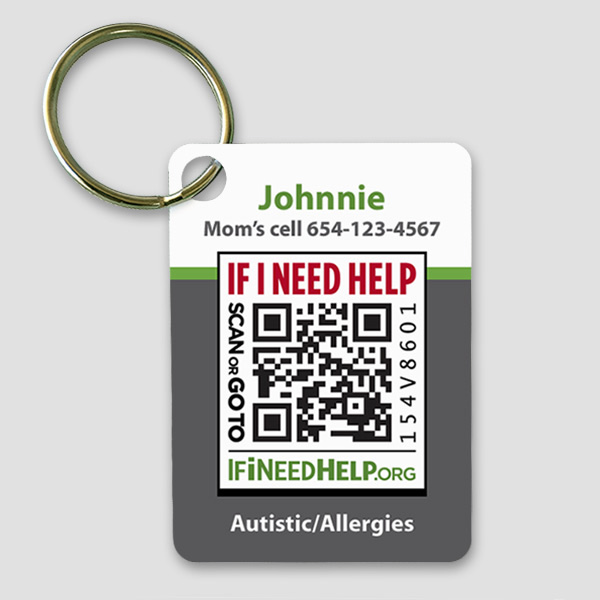
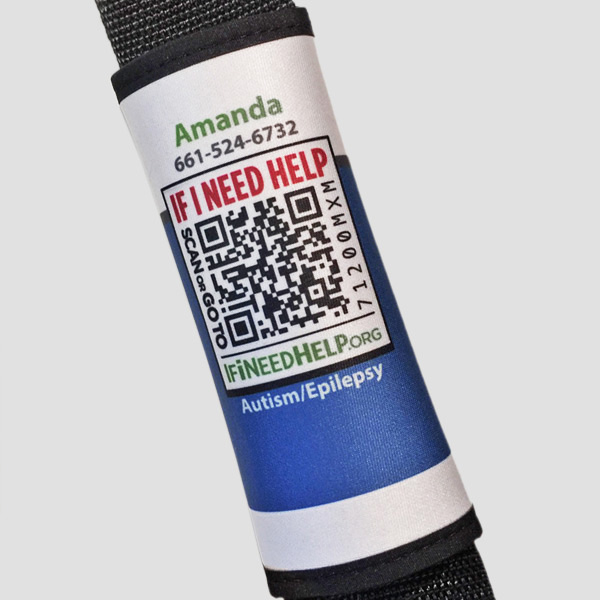
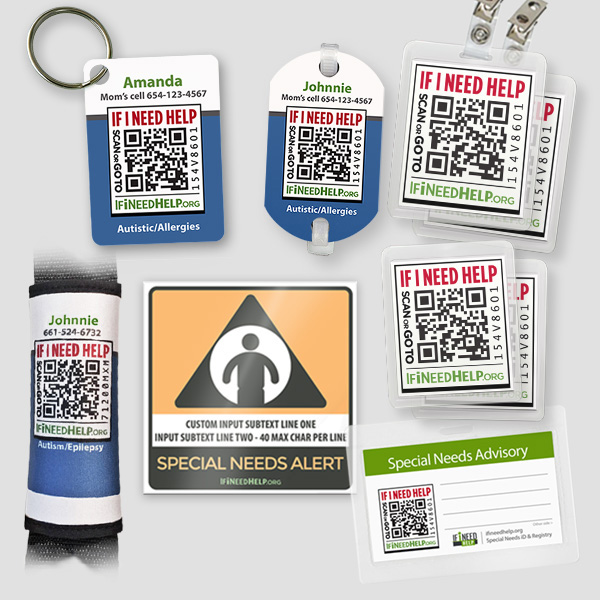
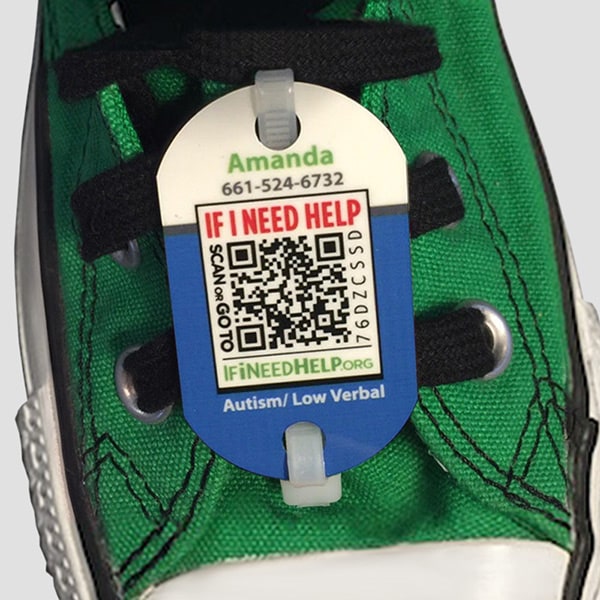
The QR code grants access to vital within few seconds and encompasses the individuals calming strategies, communication preferences, and caregiver contacts, which enables the responders to engage in appropriate and safe interactions with the individuals.

Such individuals who are cared for are able to input the person’s his or her name, basic medical needs, ways of communication, preferred methods, and some triggers that might in turn lead to some distress.

It can be scanned by teachers, bystanders, responders, and police which are individuals with smart phones and thus enables each and every person to readily assist.

Only the information that the person has chosen to reveal is the only information that is accessible to the person ensuring that sensitive details can be locked and protected by passwords.

Join Our Mailing List

Learn about new features, products, and success stories. We will never share or sell your email. Click here to Join >>