Call : 661.524.6732 | info@ifineedhelp.org

Embracing Elopement: Understanding Autism and Its Impact

Elopement can profoundly impact those with autism, challenging understanding and support systems. Explore how to embrace and navigate this complex journey.

Table of Contents

1. What is Elopement in the Context of Autism?

2. Why Do Autistic Children Wander? Common Triggers

3. The Emotional and Psychological Impact on Families

4. Autism Elopement Prevention Tips: Securing Your Home and Community

5. The Role of First Responders: Building a Community Safety Net

6. Safety Solutions: How QR Technology Saves Lives During Wandering Incidents

1. What is Elopement in the Context of Autism?

The tendency to leave a safe environment like a home or classroom is called elopement or, 'wandering'/'bolting' as some might call it. This is different from a typical child that wanders out of curiosity. Autism-related elopement behaviors might be driven by:

Goal-Directed Behavior: Leaving to find something or go to a favorite place, like a park or a body of water.

Escape Response: Exiting an environment that is overwhelming (i.e. loud noises, bright lights).

Communication Barriers: Leaving to try and express a feeling that cannot be communicated.

2. Why Do Autistic Children Wander? Common Triggers

The first step to prevention is understanding the 'Function' of the wandering.

Sensory seeking: A child may be attracted to the reflections water creates or the noise coming from a nearby highway.

Transition periods: Elopement often happens during 'hand-off' moments such as transitioning from the home to the car or arriving at the school.

Anxiety & Stress: A change in routine or a highly stressful situation can activate the 'flight' instinct.

The Emotional and Psychological Impact of Elopement

The emotional and psychological impact of elopement on individuals with autism and their families cannot be overstated. For the individual with autism, elopement can be a source of significant stress and anxiety. The reasons for elopement—whether sensory overload, a desire for a specific place, or communication struggles—can all stem from a place of discomfort or distress. Addressing these underlying issues is essential for reducing the occurrence of elopement and improving the individual's overall well-being.

For families and caregivers, the fear and anxiety associated with elopement can be overwhelming. The constant vigilance required to prevent elopement can lead to high levels of stress and burnout. Parents may feel a deep sense of guilt or inadequacy, questioning their ability to keep their child safe. This emotional toll can strain family relationships and impact overall family dynamics.

Additionally, the psychological impact extends to the broader community and support networks. Educators, therapists, and other professionals involved in the care of individuals with autism must also navigate the challenges of elopement. Understanding the emotional and psychological dimensions of elopement is crucial for fostering a compassionate and supportive environment for individuals with autism and their families. By addressing these emotional needs, we can create a more holistic approach to managing and preventing elopement.

4. Autism Elopement Prevention Tips: Securing Your Home and Community

A multifaceted approach is necessary when creating safety and security plans. You can not rely on just one lock, or one individual. \n\nHome Safety: Consider installing deadbolts high up on doors that are more difficult to reach, and install alarm systems on doors and windows. A sign that says "Stop" is one example of a visual cue, and alarms on doors are also a security feature. \n\nWater Safety: Fencing a pool is a non-negotiable safety measure that must be in place in addition to swim lessons. Many children with autism are drawn to water, and this attracts them to the pool, so lessons are a must. \n\nSchool Visual Aids: Social stories can aid in the explanation of the dangers that can occur when children leave the area without their parents. \n\nSchool & IEPs: For your child’s IEP, be sure to include elopement risk, and state that there must be 1:1 supervision without exception.

5. The Role of First Responders: Building a Community Safety Net

Do not wait for an emergency to familiarize your child with local police.

The \\"Safety Profile\\": Create a flyer with your child's photo and specific triggers (eg. \\"Afraid of sirens\\" \\"Drawn to the local pond\\") and distribute to the child’s neighbors and local police.

Proactive Training: Ask your local police department if they have \\"Search and Rescue\\" training for people with developmental disabilities.

6. Safety Solutions: How QR Technology Saves Lives During Wandering Incidents

When a child goes missing, every second counts. If I Need Help was founded to eliminate the dangers of a missing child.

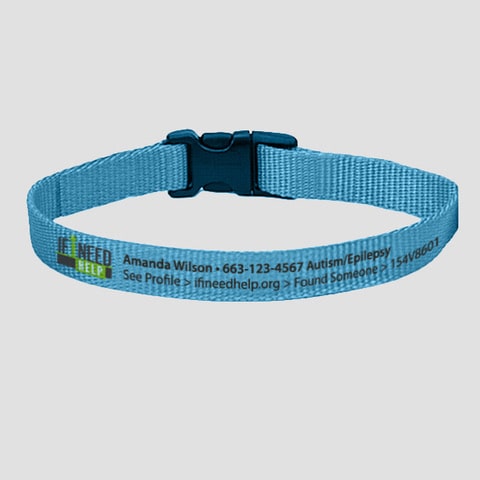
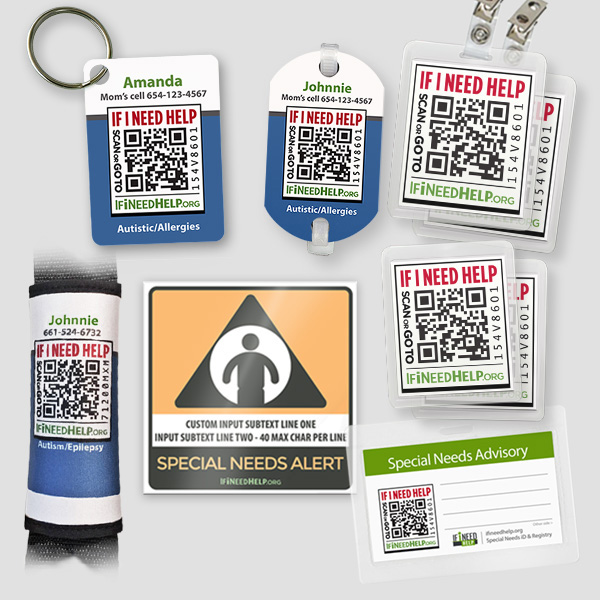
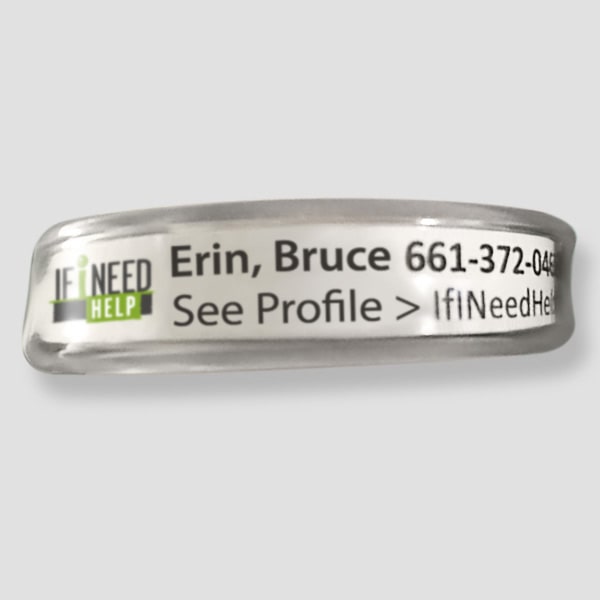
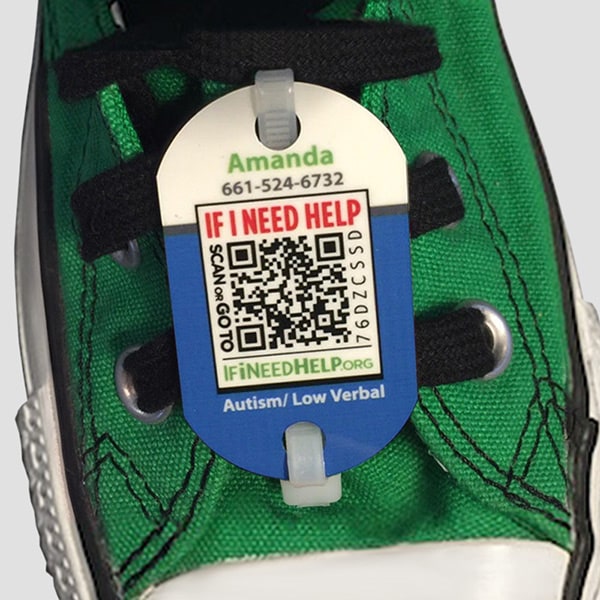
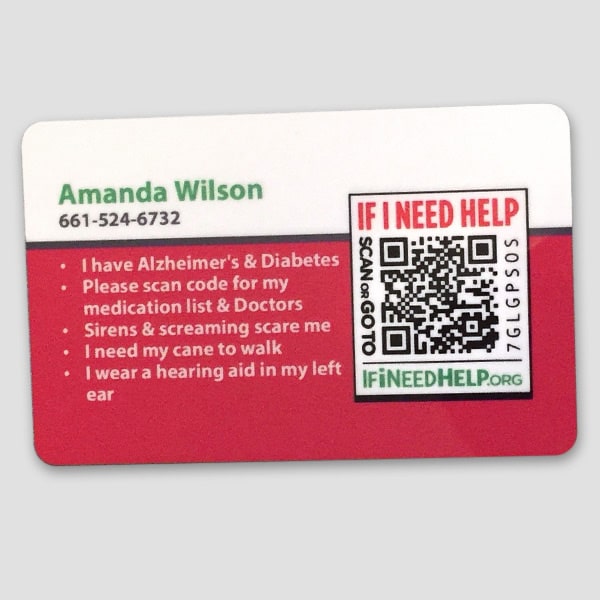
The If I Need Help technology, which was incorporated into autism wandering safety shirts, shoe tags, and bracelets, allows the child to be located by a stranger and the QR code located on the child's shirt to be scanned to access the following:

"Help Me" Instructions: Important techniques to de-escalate an upset child.

GPS & Contact Links: One touch access to the child's parents and emergency services.

Medical Alerts: Details regarding the child's allergies and non-verbal status.

FAQs

Elopement is a form of wandering off in individuals with autism. It is often done unexpectedly, posing a safety risk to the individual.

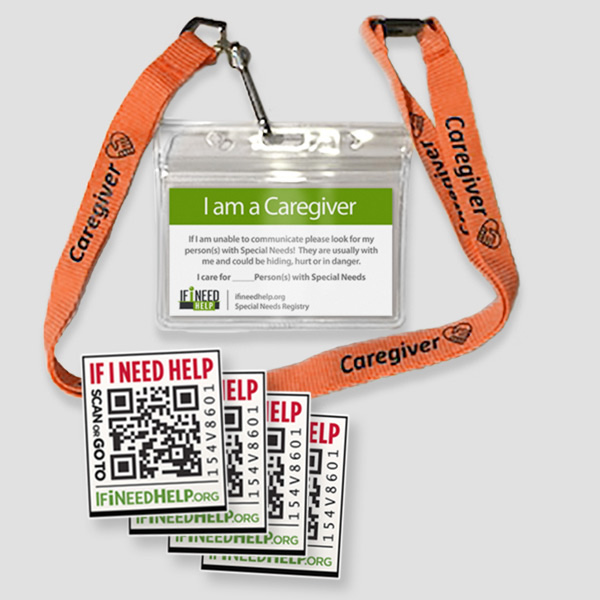
The QR code ID system resolves emergencies by linking to a secure profile that has the basic requisite information like the caregiver’s contact details, triggers, and calming measures. This ensures that responders do not waste time and help immediately.

All sensitive information is securely safeguarded behind a password and is only available to those who scan the QR code.

Caregivers of individuals with autism and those conditions that have elopement as a concern can utilize this system.

Join Our Mailing List

Learn about new features, products, and success stories. We will never share or sell your email. Click here to Join >>