Table of Contents
1) The Critical Link: Why Safety and Therapy Go Hand-in-Hand
2) Beyond the Label: How Our Personalized QR ID System Works
3) Real-Time Support: Key Insights for Therapists and First Responders
4) Join the Community: Protecting Your Child’s Progress Everywhere
1. The Critical Link: Why Safety and Therapy Go Hand-in-Hand
The most effective therapies for autistic children depend on predictability, repetition, and constant communication. Unfortunately, continuity can be challenging to maintain when changes occur due to differing care providers, travel, and outings in the community. Communication breakdowns can cause significant anxiety for children and, in some situations, can pose safety concerns.
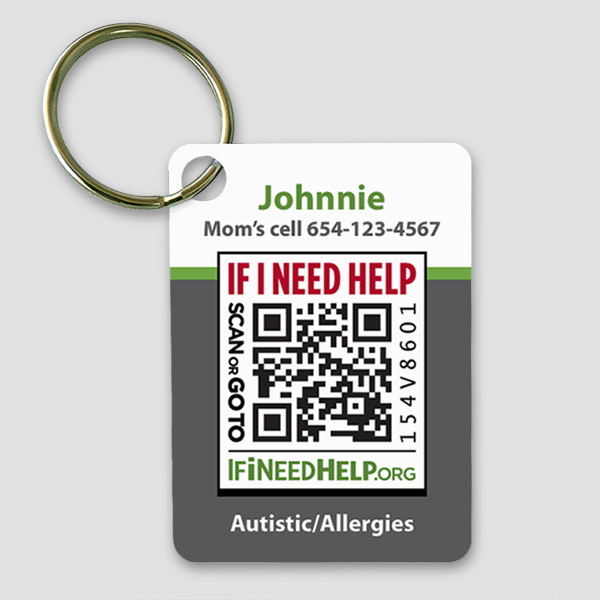
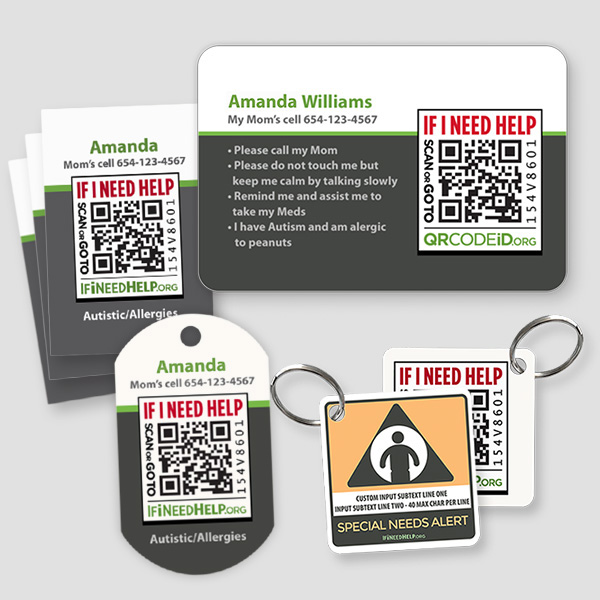
If I Need Help solves this problem. Our personalized wearable ID system eliminates the need for communication to be lost in translation. Each item features a secure QR code that links to a caregiver-managed profile, providing instant access to:
Active Therapy Plans: Details on current OT, Speech, and ABA goals.
Sensory Profiles: Preferred calming methods and environments.
Behavioral Context: Info on triggers to avoid escalation.
Emergency Essentials: Critical medical information and emergency contact information.
2. Beyond the Label: How Our Personalized QR ID System Works
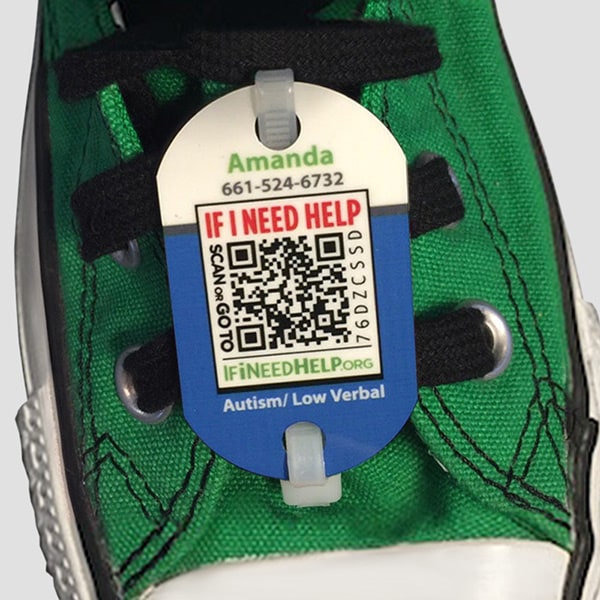
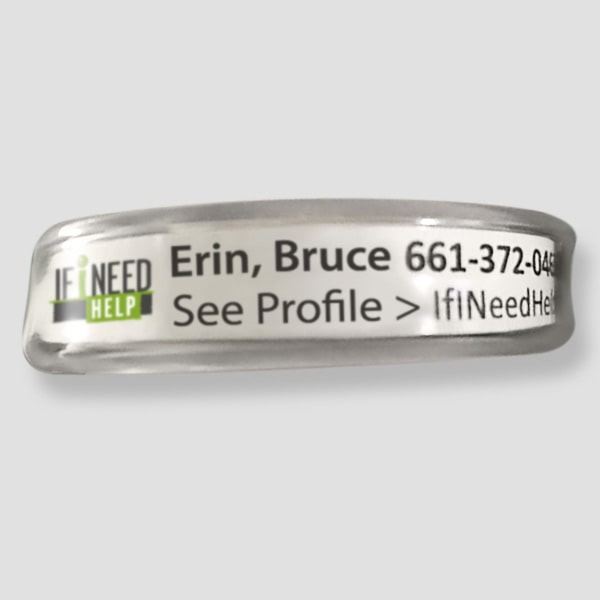
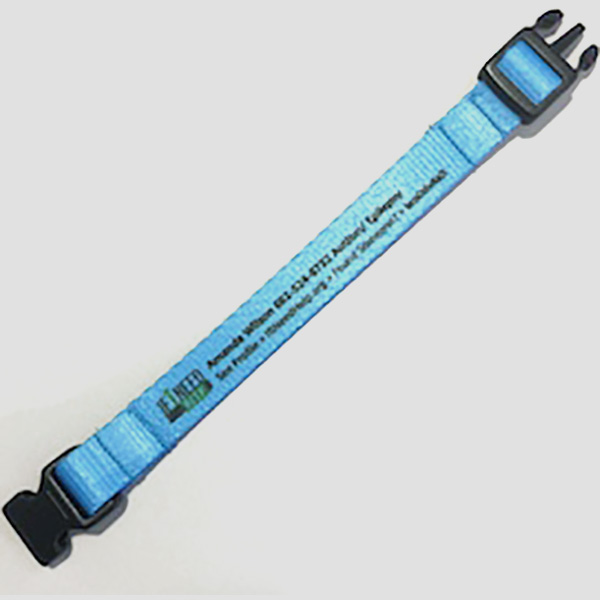
Our system aims to demonstrate the same adaptability as the children using it. Whether it is a shoe tag for a child with tactile sensitivities, a wristband that is easy to wear, or a patch that is sewn into a beloved backpack, our QR ID's provide a manual, but safe solution.
In emergencies, the child presents the QR ID to the assistant or first responder who uses a smartphone to access the child’s information. They no longer have to make assumptions about the child’s needs, allowing them to provide the appropriate response that aligns with the child’s therapy routines. This is especially important for children who are anxious and in crisis.
3. Real-Time Support: Key Insights for Therapists and First Responders
These QR codes serve a greater purpose than identification; they offer therapeutic benefits. In an emergency, time is of the essence. Knowing a child’s individualized communication and/or de-escalation strategies could mean the difference between an emergency being successfully resolved and a child suffering a traumatizing experience.
For medical and emergency responders, these strategies serve as a guide to providing care and ensuring they approach and engage the child in a manner that is respectful, efficient, and safe.
4. Join the Community: Protecting Your Child’s Progress Everywhere
Your support in autism therapy being safer, more consistent and backed by community awareness is more than an ID tag. Our support goes wherever your child goes—school, therapy or the park. Our tools communicate on behalf of your child.
Together, we can change uncertainty into support and ensure every therapy plan is implemented beyond the walls of the clinic.
FAQs
The QR code links to a secure profile containing critical details pertaining to the individual’s therapy needs including their communication style, sensory preferences, and daily routines. This ensures that everyone who interfaces with them, be it in daily interactions or during crisis situations is able to minimize disruptions to therapy.
Therapists, teachers, caregivers, and even strangers who may assist the individual can scan the QR code with their phones.
All sensitive information is secured. Caregivers or individuals can select what information is visibility, and can change these settings at any time.
Of course. The QR code can be worn everyday, making it useful not just during therapy but at school, in the community, or traveling.
In emergencies, QR codes can be scanned to retrieve pertinent information that can help soothe, speak to, and look after the person while seamlessly getting them to the appropriate help or their caregiver.
Join Our Mailing List
Learn about new features, products, and success stories. We will never share or sell your email. Click here to Join >>