Table of Contents
1. Behavioral Therapy for Autism: ABA Techniques & Home Management Guide
2. Understanding ABA: What is Behavioral Therapy?
3. Practical ABA Therapy Techniques for Parents at Home
4. Finding the Right Behavioral Support Team
5. The "Safety Foundation" for Behavioral Growth
1. Behavioral Therapy for Autism: ABA Techniques & Home Management Guide
Behavioral therapy, and more specifically, Applied Behavior Analysis (ABA), is the gold standard proven method for helping individuals with autism. With the use of structured techniques and positive reinforcement, ABA assists children in acquiring new skills, enhancing their communication, and reducing difficult behaviors. At If I Need Help, we prioritize and advocate for behavioral growth in conjunction with a “Safety-First” approach, where we focus on the protection and safety of your child while they are learning how to explore and navigate the world independently.
2. Understanding ABA: What is Behavioral Therapy?
ABA therapy is a clinical intervention that helps provide a framework for understanding the science of behavior and behavioral principles. It also helps provide a foundation for understanding the behavior science and the principles of behavior and the science of behavior and how it relates to the environment. It is an evidence-based science to assist people to address the following goals:
Enhance communication abilities, both verbal and non-verbal, to articulate needs and concerns.
Decrease challenging and/or dangerous behaviors by recognizing the "function" of an unsafe behavior and teaching a safer, more appropriate substitute.
Foster independence and life skills by instructing on daily living tasks such as dressing, bathing, and self grooming, and emphasizing safety.
Assist in the comprehension of social cues among children, as well as the ability to establish and maintain relationships.
3. Practical ABA Therapy Techniques for Parents at Home
Behavioral support does not require you to be a therapist. Here are some behavior management autism tips that you can use in everyday situations:
Prompting & Fading: Helping a child finish a task by giving a “hint” and then removing that support as mastery is gained.
Positive Reinforcement: Encouraging behaviors by rewarding them right away and increasing the chances the behaviors occur again.
Task Analysis (Chaining): Dividing a complex task (like brushing your teeth) into smaller and more manageable steps.
Modeling: Exhibiting the behavior you want for the child to copy as desired.
Visual Supports: Using a schedule to reduce anxiety and meltdowns around transitions.
4. Finding the Right Behavioral Support Team
It is important to find a certified and caring team. When considering team members, check for the following:
BCBA (Board Certified Behavior Analyst): The person who develops and manages the treatment plan.
RBT (Registered Behavior Technician): The person who provides therapy to your child.
Make sure to question them about their experiences with kids who have the same challenges as your child. A good therapist won't only work with the child, but will also work with the parents to ensure that progress is sustained.
5. The "Safety Foundation" for Behavioral Growth
Behavioral therapy can often mean that children need to step beyond their comfort zones to acquire new skills. Pushing these boundaries can often result in “bolting” (running away) or aggressive behavior if the child feels overwhelmed.
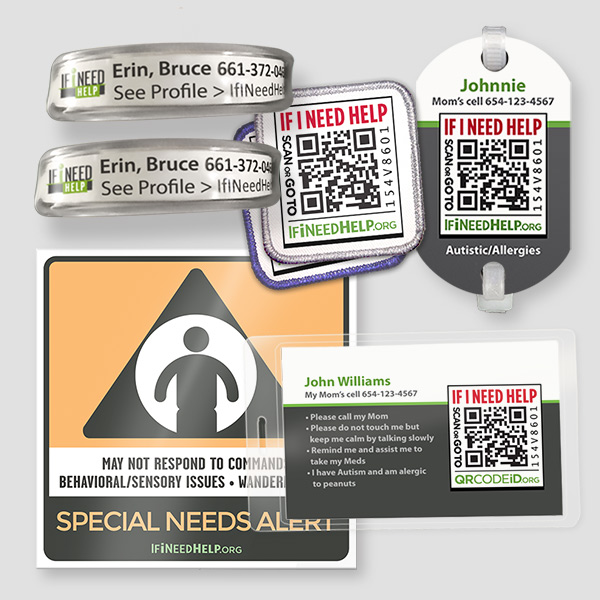
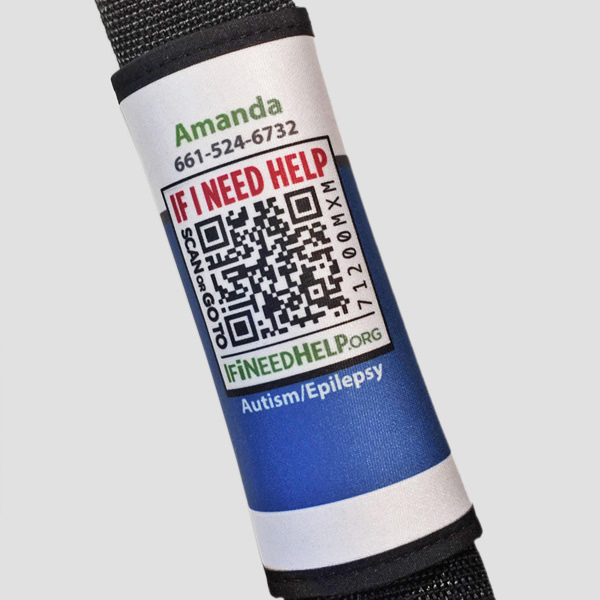
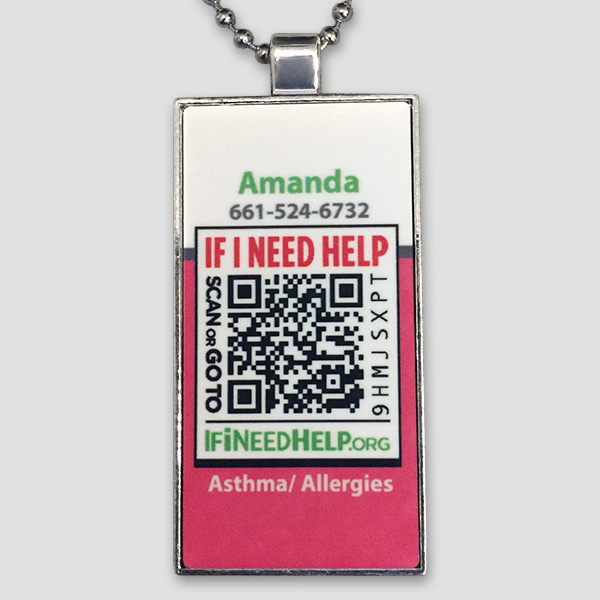
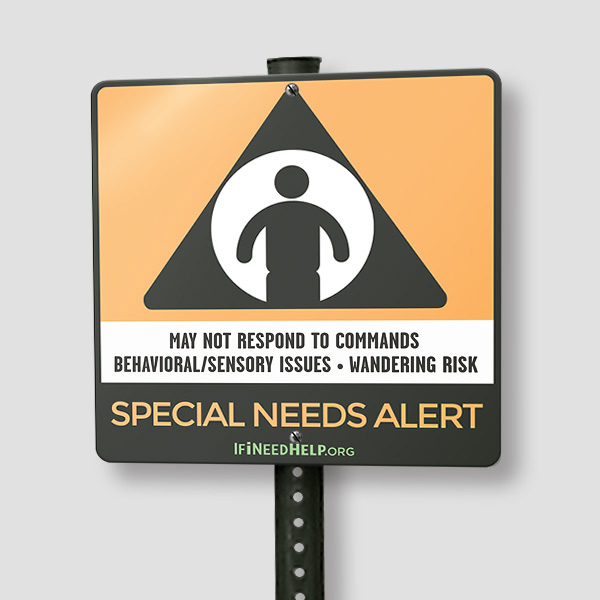
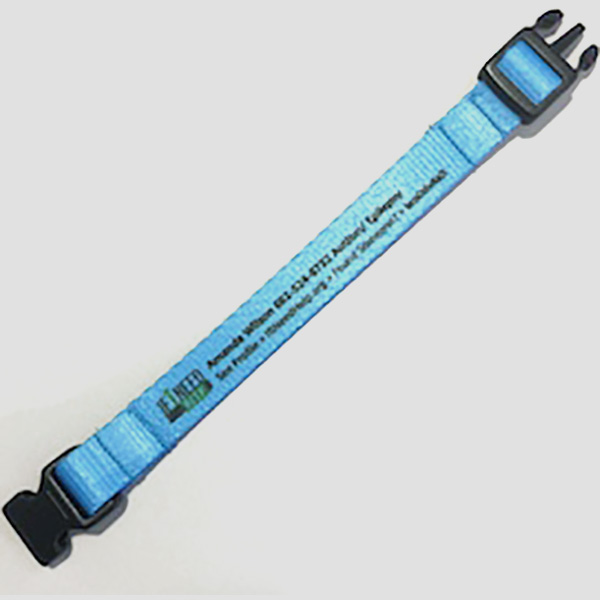
If I need help has created what is known as a “Safety Bridge” to support families using ABA. While the therapist practices behavioral change, our Wearable QR Technology enables the bridge to contact first responders, and your child’s caregivers, in the event of a public meltdown. This connects caregivers to:
De-escalation Methods: The best ways to calm your child.
Communication: Your child may be non-verbal and may need to be communicated with and this may be a barrier.
Emergency Notifications: Direct contact to parents and therapists.
Keywords: aggression therapy for autistic child, behavioral therapy for autism children.
Join Our Mailing List
Learn about new features, products, and success stories. We will never share or sell your email. Click here to Join >>